How Biological Databases Can Support Research and Fair Benefit-Sharing
Digital Sequence Information (DSI)—digitally stored information on the genetic material of organisms—has become an indispensable foundation of biodiversity research and many other life sciences. At the same time, it lies at the heart of an international debate: How can the free exchange of genetic data be maintained while ensuring that the countries of origin of biological resources also receive a fair share of the benefits arising from their use?
A new guidance document, recently published in *Scientific Data*, offers practical answers. Led by the Leibniz Institute DSMZ (German Collection of Microorganisms and Cell Cultures GmbH), with major contributions from the Society for Biological Data (GFBio e.V.) and the Leibniz Institute of Plant Genetics and Crop Plant Research (IPK), the international team of authors outlines how biological databases can implement the requirements of the new multilateral UN mechanism in practice - without compromising open access to scientific data.
The publication is directly linked to GFBio’s core mission: to make biological research data open, discoverable, reusable and available in a responsible manner – whilst at the same time developing sustainable solutions for data management in the biological sciences.
Why Digital Sequence Information Is Being Regulated Internationally
The benefit-sharing mechanism adopted at the UN Biodiversity Conference is intended to ensure a fairer distribution of both monetary and non-monetary benefits arising from the use of Digital Sequence Information. The rationale is straightforward: genetic data enable research and innovation worldwide, from biodiversity science to the development of new medicines. Yet the biological resources from which these data originate often come from countries other than those in which they are ultimately used for scientific or commercial purposes. In the future, the countries of origin, as well as affected Indigenous Peoples and local communities, should therefore receive an equitable share of the resulting benefits. At the same time, open access to biological data remains a fundamental prerequisite for research. The challenge is therefore to reconcile scientific openness with fair and equitable benefit-sharing.
The new guidance document demonstrates how this can be achieved. Its recommendations include improved capture of relevant metadata, greater transparency for users of biological databases, and approaches for recognising not only financial but also non-monetary contributions, such as knowledge transfer, capacity building, and international scientific collaboration. In doing so, it provides database operators with practical guidance on integrating the new international requirements into existing workflows. At the same time, it establishes a shared technical foundation for harmonised solutions across biological databases. Researchers also stand to benefit: clear and, wherever possible, consistent procedures increase transparency and help ensure that digital sequence data remain openly, reliably, and responsibly accessible in the future.
“Our Strong Role in This Process Is Due in No Small Part to the Strong Network We Have Built Through the NFDI in Germany”
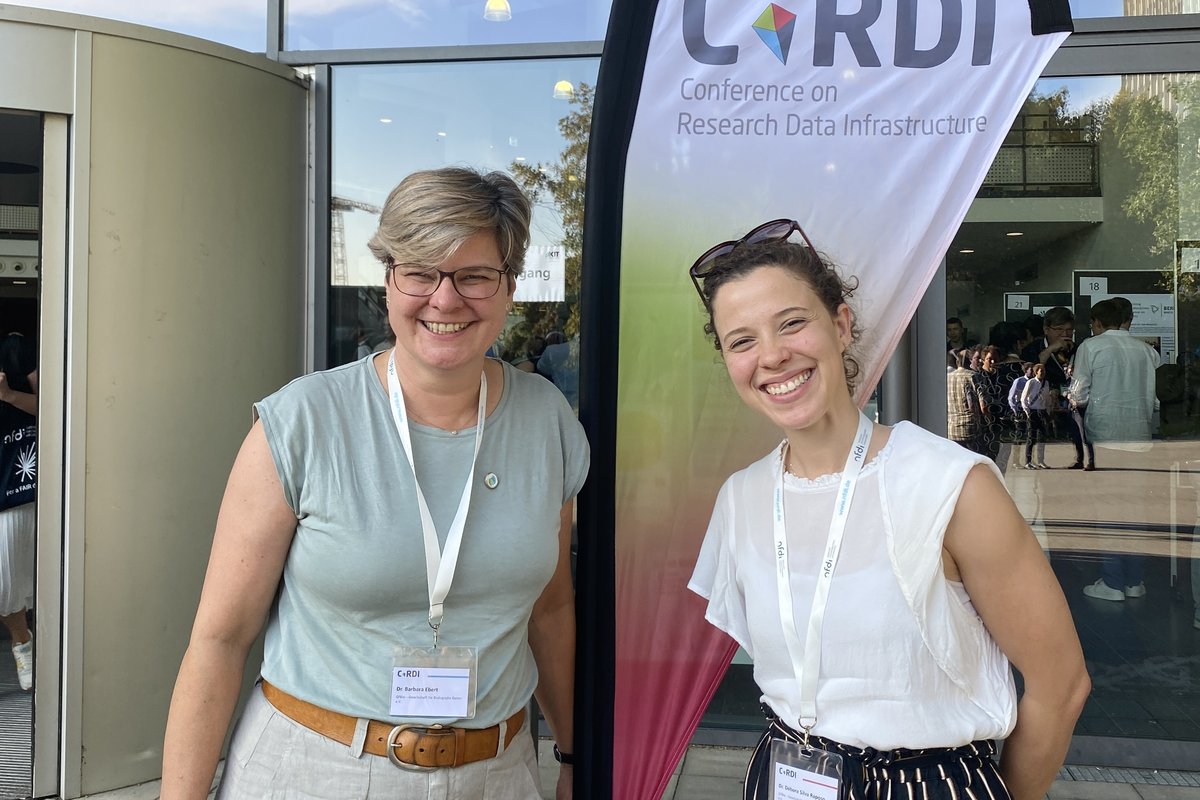
The publication is the result of close collaboration among experts from biological databases, research, research data management, and international biodiversity policy. Over the course of a three-year joint feasibility study, DSMZ and GFBio laid important groundwork by conducting interviews with database managers, organising interactive workshops with scientific and policy experts, and analysing current database practices. The guidance document is the outcome of a final workshop series conducted together with the international DSI Scientific Network. “Our strong role in this process is due in no small part to the strong network we have built through the NFDI in Germany,” says Barbara Ebert, Managing Director of GFBio and one of the two project leads. “The biological database operators represented in the NFDI consortia were committed and highly valuable partners who made a decisive contribution to the success of the study.”
Frank Oliver Glöckner, Chair of the Board of GFBio and spokesperson for NFDI4Biodiversity, adds: “Research data infrastructures not only provide the foundation for excellent science—they can also help turn international challenges into practical solutions. This new guidance document is a compelling example: it brings together scientific openness and global responsibility, demonstrating the added value that strong networks such as GFBio and NFDI4Biodiversity can generate by contributing their expertise to international processes.”
The work was funded by the German Federal Agency for Nature Conservation (BfN) using resources provided by the German Federal Ministry for the Environment, Nature Conservation, Building and Nuclear Safety (Project No. 3522800600).
Further information on the guidance document, its development, and its science policy background is available in the DSMZ press release.
___________________
Publikation
Raposo, D. S., Faggionato, D., Scholz, A. H. et al. (2026). How can biological databases support the new UN mechanism for benefit-sharing from digital sequence information? Scientific Data. DOI: 10.1038/s41597-026-07725-y.