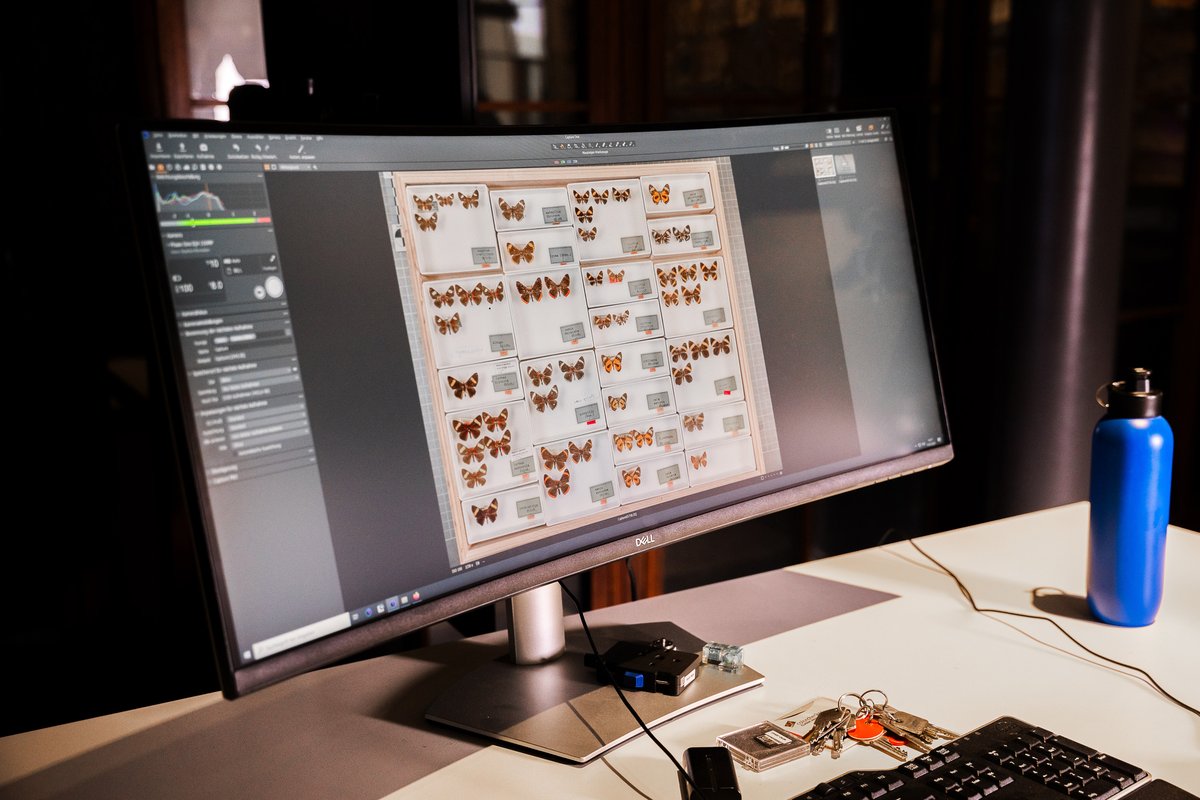
Intensive training in handling scientific collection data
From November 24 to 28, 2025, the first Winter School of the WiNoDa Knowledge Lab took place, organised by GFBio as the lead project partner. The title of the five-day seminar was: “Research with Natural Science Collections: Data, Quality, and Methods.”
Over five intensive days, lecturers offered lectures and hands-on sessions on topics related to the management, analysis, and visualisation of scientific and object-centered collection data.
The more than 20 international participants included representatives from natural history museums, research institutions, and PhD candidates. The approximately 70 registrations in the run-up to the event demonstrated the high demand for such continuing education opportunities in these fields.
The concept of the WiNoDa Winter School is based on the Train-the-Trainer Concept on Research Data Management and the Template der NFDI4Bio Seasonal school.
From basic data management to AI applications for object-related collection research
In addition to introductory activities and small feedback rounds, the program included technical and methodological sessions in various formats: everything from lectures to interactive presentations and demonstrations of tools to practical components was covered. To implement the program, the WiNoDa Knowledge Lab was able to recruit lecturers from its own ranks, the Museum für Naturkunde Berlin, the German Archaeological Institute, cooperating initiatives such as NFDI4Biodiversity, and other data competence centers.
The first day was devoted to introductions and presentations on research data management and open science. The following two days were characterised by longer practical sessions: participants learned how to clean data using Open Refine and analyse it using SQL. Introductions to data versioning with Git and the possibility of publishing their own datasets in GBIF using the Integrated Publishing Toolkit rounded off the days.
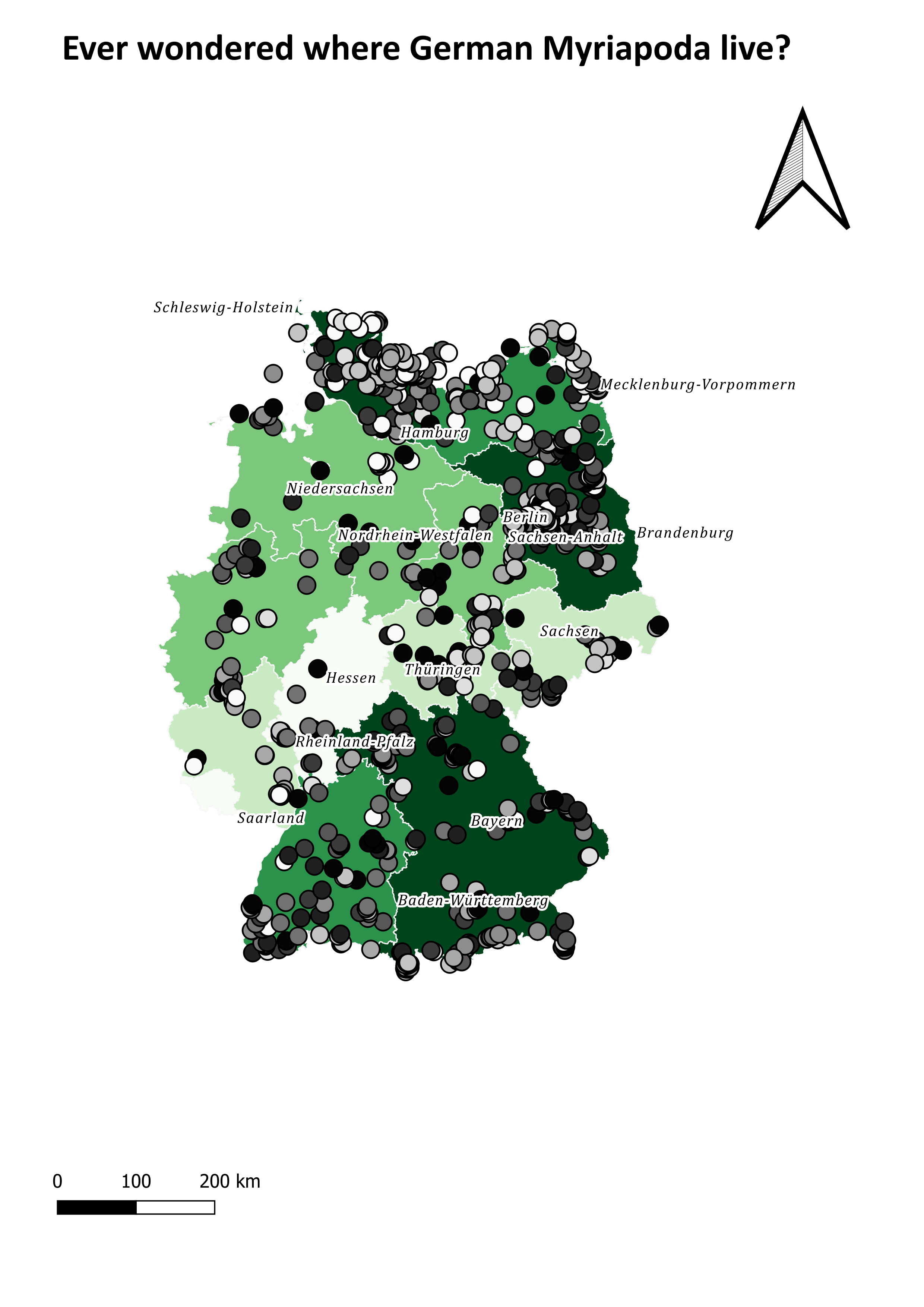
The last two days focused primarily on data visualisation: data visualisation with GIS, a demonstration of an insect scanner from the DISC3D project, and the use of AI for text recognition. The work was always based on real data sets from the natural science collection context, which were used, for example, to create maps with QGIS.
Feedback and lessons learned
Even though the WiNoDa Winter School was based on tried-and-tested concepts, it was the first event of its kind for the collection data community. The online format offered the opportunity to connect international participants, but also required careful preparation and coordination with all those involved.
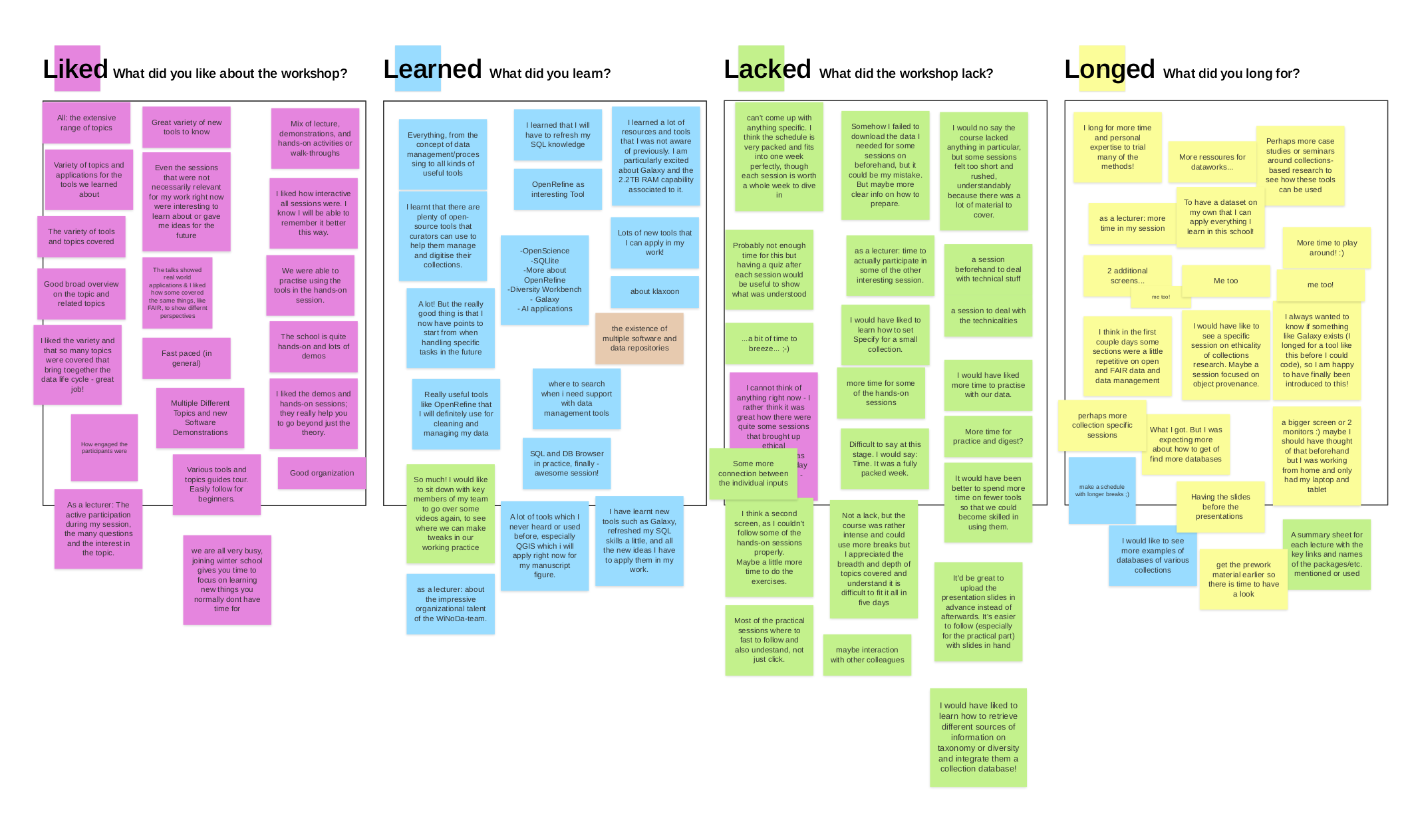
The participants particularly enjoyed the hands-on sessions and the overall practical relevance of the event. They also expressed a desire to meet at least once virtually before the event began in order to facilitate networking and getting to know each other.
The organisers are pleased with the successful debut and are taking away some good ideas for planning further formats, such as a hackathon, which will be held at the WiNoDa Knowledge Lab in 2026.